
According to Janet Kilburn Phillips, “There are no gardening mistakes, only experiments.” At this rate of experimentation, I should be a candidate for the Nobel Prize in Gardening. One of the main things that I have learned as a gardener is a very deep appreciation for farmers. Feeding all of us requires a combination of hard physical labor and intelligence. I think about that all of the time especially when I have a failed crop.
I’ve learned a lot from my garden fails over the years, so I thought that I would put together a list of some of my biggest mistakes to help you avoid making them too.
Good Fences Make Good Neighbors
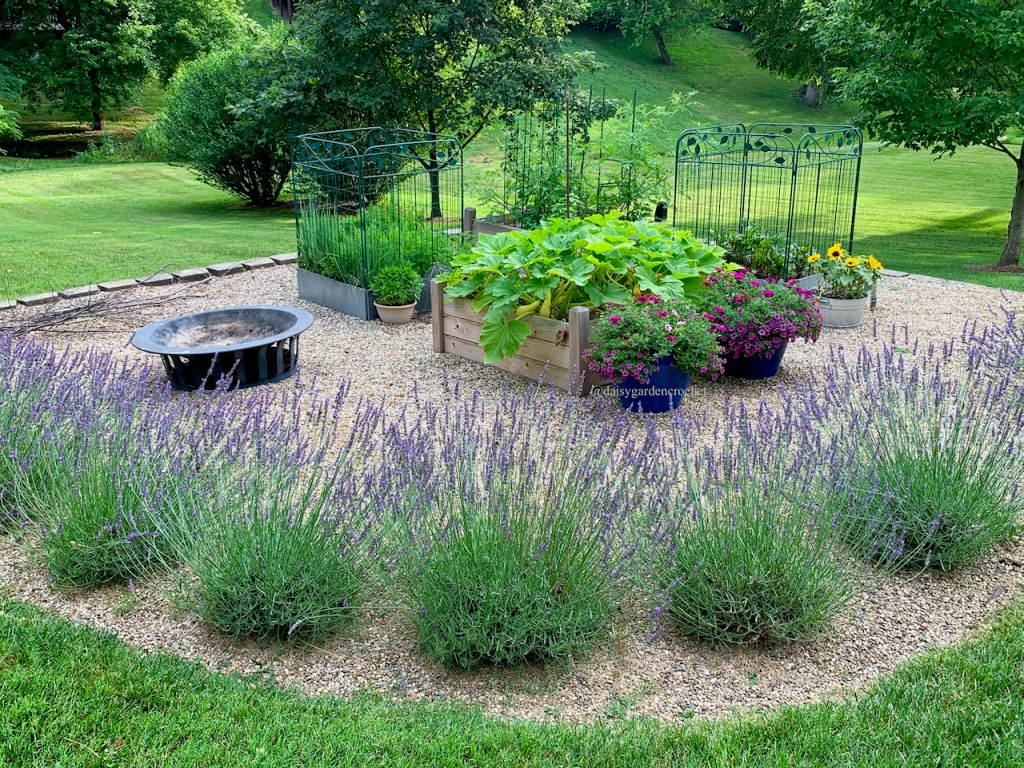
Like in the field of dreams, if you build a vegetable garden, they will come. They being deer, rabbits, mice, birds, and squirrels. I know this because I have fed them all. My raised bed garden is set on a terraced ledge in my back yard, and I haven’t been able to come up with an idea for a fence that wouldn’t look like an eyesore. Instead, I’ve ended up using chicken wire crop cages that work well but are a pain to move around when planting, weeding, and harvesting.
So, if you are planning on putting in a vegetable garden, think first about adding a fence. Take time to research the best fence that you can build for your budget. Some things to consider are the optimum height to protect your plants from deer, the chew-ability of the fencing material, and the size of the holes in your fence’s grid. I once tried putting fence panels from Lowe’s around my bed of carrots only to see young rabbits easily pass through the 4 cm by 10 cm grids. Also, beware of protective coverings made out of netting or mesh material. It feels terrible to waste good money on something that the critters can and will chew right through.
Don’t Buy Deer and Rabbit Food
Growing vegetables is great, but flower gardening is my real passion. I can remember seeing a window box filled with flowers when I was a little girl and thinking how much I wanted to have one when I grew up. The picture on the DaisyGardenCrochet home page shows that my dream came true and how lucky that I’ve been that deer haven’t eaten my impatiens.
As a beginning gardener, buying flowers, to me, was based on their looks alone. When those pretty flowers got eaten overnight, I learned the hard way that I had to consider deer and rabbit resistance too. So, instead of petunias, now I plant Calibrachoa, and instead of verbena, this year I am planting Luscious Grape® Lantana.
I give the same consideration to perennials. A word of warning here, I have noticed that very often rabbits will eat newly planted rabbit resistant plants. So, even if a plant is known to be rabbit resistant, I cover it with a chicken wire cloche to give it time to get established. I can’t figure out if the stress from transplanting makes the plants more palatable or if rabbits are more likely to taste test new items in their garden grocery. Either way, I highly recommend protecting new plants until they show signs of recovery and growth.
It’s A Weight Off of My Shoulders
Despite all of the health benefits of gardening, it won’t make you any younger. So, you definitely want to take weight into consideration as you build up your gardening tool chest. I volunteer at a botanical garden, and they have invested in very high-quality shovels that also happen to weigh a ton. Those shovels will still be around for archaeologists to dig me up in a century, but I find them super exhausting to use. My inexpensive, lightweight spade is much less taxing to use, and it’s lasted for over twenty years.
Take weight into consideration when buying gardening power tools as well. Trimming woody shrubs requires powerful hedge trimmers, but it’s worth investing in a lightweight version for smaller jobs. Spring gardening is a busy season, and the last thing that you want is to lose time working the garden nursing sore muscles on the couch.
It’s Actually Not the Fabric of Life
If I had it to do all over again, I would resist the siren song of landscaping weed barrier fabric. The words “weed barrier” are such good marketing. Who doesn’t want a weed barrier? Unfortunately, the weeds in my zone 6b garden are happy to grow on top of the weed barrier. And, one stubborn type of weed makes it even tougher to eradicate by using the barrier to protect its rhizome-like roots.
The other thing that I didn’t realize when I installed the landscaping fabric years ago is that it would make it harder to dig holes for new plants. I now spend a decent amount of time pulling up and throwing away old landscaping fabric. That said, in any beds mulched with pea gravel or decorative stone, it’s a good idea to have some type of barrier so that you don’t end up with rocky soil.
Location, Location, Location
Planting for pollinators is such an important part of gardening especially with the loss of natural habitat to suburban landscapes, and for me, the word “pollinators” conjures up such a beautiful image of butterflies flitting amongst the flowers. But pollinators also mean bees. Helping bees is incredibly important, but take care when selecting a location for plants that attract bees especially if you have children or pets that need to share your yard. I learned this lesson the hard way trying to re-create a Provence-like lavender border in my garden.
Avoiding Friendly Fire from Pesticides
Insect pests are biblically recognized for their ability to destroy crops, and mosquitos are more than just a pest with all of the diseases that they are known to spread. So, if you plan on planting a garden to support beneficial insects, you have to also think carefully about pest management and the use of pesticides. Whole yard spraying for mosquitos is a current trend, but many homeowners don’t realize that pesticides don’t differentiate between butterflies or bees and mosquitos. There’s a terrible example on NPR’s website about how a well-intentioned attempt to prevent the spread of Zika virus ended up killing millions of bees. So, before spraying pesticides, proceed carefully and consider consulting the expertise of your local cooperative extension agent.
According to Winston Churchill, “Success is stumbling from failure to failure with no loss of enthusiasm.” With that in mind, I am a hugely successful gardener. Hopefully these tips will help make you one too, without the failure part, of course.
Gardening Mistakes To Avoid
 DaisyGardenCrochet