
“Know your enemy.”
Sun Tzu
If you are like me and googled “how to get rid of fleas” in a panic when you realized that despite treating your dog, or cat, with an anti-flea treatment, they still had fleas, I think that I can help. From reading reviews of flea treatments, a common reaction is to think that whatever you tried just didn’t work, and while that is possible, I think that’s unlikely. The key is understanding our Achilles heel in the war on fleas.
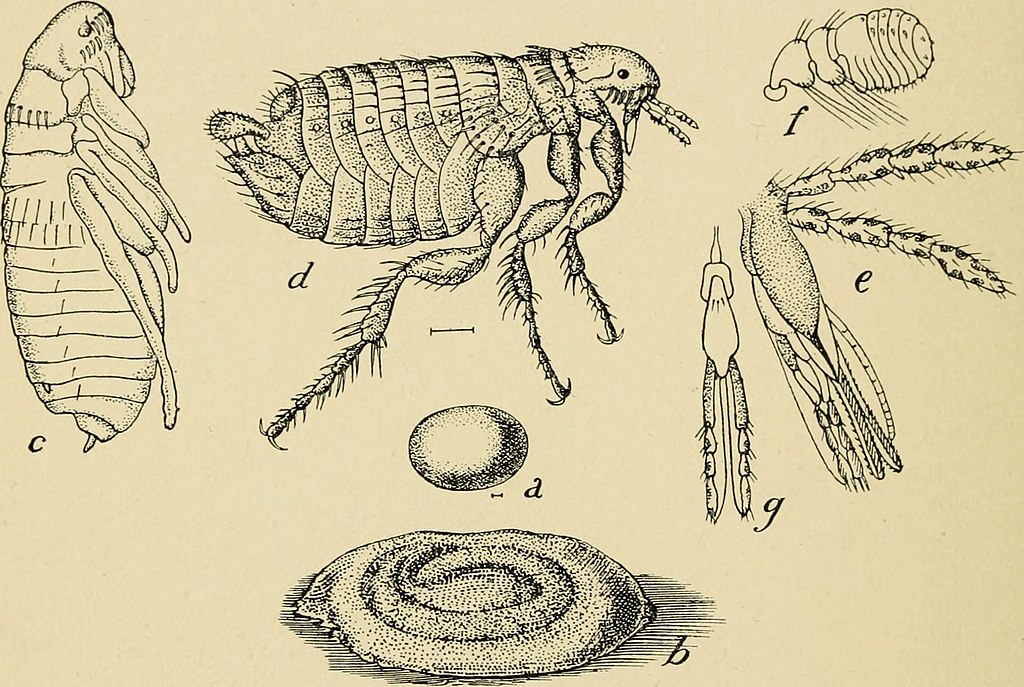
The weak link in our arsenal, and the flea’s key strength, is the cocoon stage in their life cycle. It helped me to understand that their life cycle was kind of like a butterfly. When they are in the cocoon stage, nothing can really kill them. So while treating your pet kills adult fleas, flea eggs, and flea larvae; if you don’t have a plan to deal with the fleas growing in cocoons in your couch and carpet, you will continue to see new fleas hatching out and hopping onto your pet.
The University of Kentucky’s Extension Entomologist Michael F. Potter has written a comprehensive plan for flea control and prevention (ENTFACT-602) that can be found in this link. After reading the fact sheet, I learned that one of the biggest mistakes is stopping your pet’s spot treatment too soon. One month is not enough. Remember nothing really kills the fleas maturing in the safety of their cocoons, and when they emerge weeks later like tiny, evil butterflies, you want to make sure that your pet isn’t vulnerable. Once adult fleas have an opportunity to feed on your pet, the chance of a female laying eggs and starting the whole nightmare all over again are highly likely.
Many websites recommend extensive vacuuming and proper disposal of the bag or bin contents and that is a great way to physically remove fleas in the cocoon stage. Vacuuming also helps trigger hatching, and while the last thing that you want is more fleas, you do want them to hatch out of the safety of their cocoons so that they are vulnerable to spot treatments or insecticides or traps.
In our case we took a multi-pronged approach. We used a spot treatment on the dog, washing and drying of her bedding, an insecticide spray for the carpet and baseboards, and a sticky trap with a warm light placed near her bed to try and catch any newly hatched fleas from cocoons that vacuuming might have missed. We also went over the dog’s entire body with a flea comb on a daily basis to check our progress and help relieve her itching.
Generally, I avoid using pesticides, but because we didn’t nip the flea problem in the bud, it got to the point that we realized that it was necessary. The University of Kentucky publication on flea prevention provides insecticide recommendations, and I did research using the National Pesticide Information Center to help me select which one to use. Whichever product you choose, make sure to thoroughly read and follow the label instructions.
If, like me, you have a flea infestation that has gotten out of hand and are frantically googling to figure out what to do about it, I hope that this information helps. Don’t panic. Just follow Commander Lewis’ advice from “The Martian” and “Keep it together and work the problem.” You’ve got this.
Featured Image Caption: Internet Archive Book Images, No restrictions, via Wikimedia Commons. From Agricultural Entomology for Students, Farmers, Fruit-growers and Gardeners by Herbert Osborn (1916)
 DaisyGardenCrochet